When universities purchase a new AFM for materials labs, the most common advisor phrase is "just get a regular table for now, we'll deal with it later." Then the first time a student scans graphene, the image is full of horizontal stripes; service checks the AFM and finds nothing wrong — the root cause is the isolation table. LeadTop (LDT) offers an "air-suspension table + honeycomb breadboard" base-level but sufficient combo for university materials-lab AFM setups.
University materials labs typically juggle teaching demos, undergraduate capstone projects, and routine group sample testing: samples range from micrometer particles to thin films; operators range from undergrads to grad students; and the lab building itself sits near corridors, elevators, and the chemistry building's ventilation system. The isolation solution needs to be "good enough, easy to maintain, and not site-picky."
At this tier, active isolation is over budget and demands high environmental cleanliness; solid rubber tables can't suppress elevator and corridor disturbances. Air-suspension isolation tables strike the balance between value and performance.
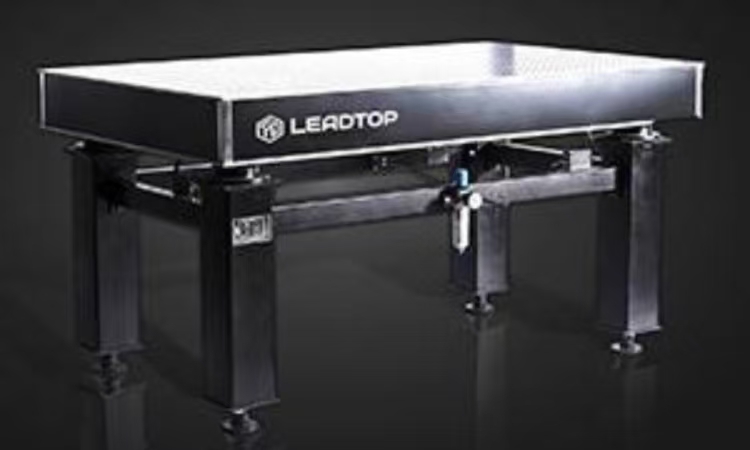
The ZDT-P pushes natural frequency to 1–2 Hz, effectively isolating the two most common disturbances in university labs: elevator start/stop (0.5–5 Hz) and foot traffic in corridors (10–30 Hz). The paired silent compressor solves the "noisy machine room" pain point of traditional air tables, so students working nearby aren't disturbed.
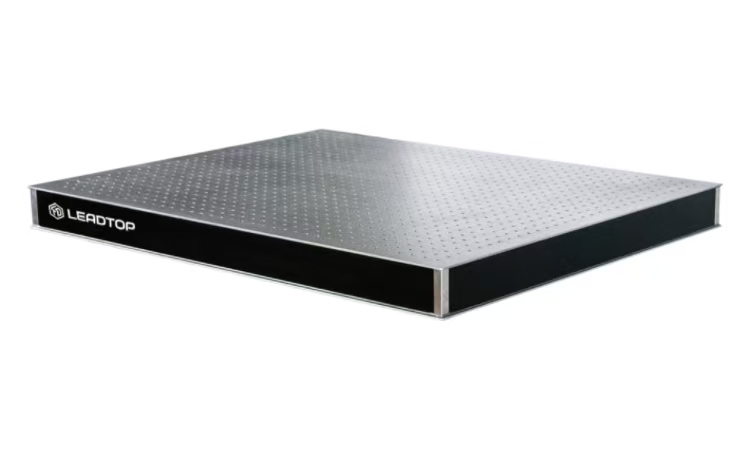
The MOT-F honeycomb breadboard solves the "deforms after two years" problem of ordinary cast-iron tabletops. With high personnel turnover and frequent equipment swaps in university labs, a weld-stress-free honeycomb breadboard keeps the surface flat years later, so the AFM measurement baseline doesn't drift due to tabletop deformation.
|
Component |
Model |
Role |
|
Air-suspension isolation frame |
ZDT-P series |
1–2 Hz natural frequency, 95% isolation efficiency |
|
Honeycomb optical breadboard |
MOT-F series |
High stiffness, low deformation, M6 hole array |
|
Silent air compressor |
Included |
<50 dB, can be placed directly in lab |
|
Installation casters (optional) |
Accessory |
Used when AFM needs to be moved |
|
AFM body |
User-supplied |
Mounted to M6 holes on breadboard |
After a new lab is set up, run a 5×5 µm empty scan on the AFM without a sample to check for periodic stripes. If present, first check whether the compressor air line is hard-connected to the tabletop, then re-tune via the ZDT-P auto-leveling. During grad-student onboarding training, write "wait 30 seconds after power-on for compressor stabilization before scanning" into the SOP to avoid introducing extra noise from operating habits.
LeadTop's isolation product line covers solid rubber (POT-P/G), air-suspension (ZDT-P/B), and active (TA/VCM/LVH/LHV) full series. University labs can start with ZDT-P + MOT-F as the baseline AFM configuration based on budget and future research direction, then upgrade to active isolation modules when higher-precision equipment is added later.


